Causes of Sleep Apnea
There are various causes and risk factors for developing sleep apnea. These include:
-
- Gender: Men are generally at a higher risk of developing sleep apnea than women, although the risk increases for women after menopause.
- Age: Sleep apnea is more common in older adults, but it can affect people of all ages, including children.
- Family History: A family history of sleep apnea may increase the risk.
- Alcohol and Sedative Use: The consumption of alcohol or sedative medications can relax throat muscles, increasing the risk of airway obstruction.
- Smoking: Smokers are more likely to develop sleep apnea due to increased inflammation and fluid retention in the upper airway.
- Nasal Congestion: Chronic nasal congestion or allergies can make it difficult to breathe through the nose, increasing the likelihood of developing sleep apnea.
- Neck Circumference: People with a thicker neck circumference may have a narrower airway, making them more susceptible to OSA.
- Hormones: Hormonal changes, such as those occurring during pregnancy or polycystic ovary syndrome (PCOS), can increase the risk of sleep apnea.
-
- Pregnancy: Pregnant patients have an increased risk of obstructive sleep apnea since the higher levels of estrogen can cause the mucus membrane in the nose to swell, leading to more nasal congestion.
How Is Sleep Apnea Diagnosed?
To obtain a sleep apnea diagnosis, you’ll likely experience the following:
-
- Physical Examination: We’ll conduct a thorough examination of your mouth, throat, and neck to identify any anatomical factors that may contribute to sleep apnea, such as enlarged tonsils or a narrow airway. If we believe you may be suffering from sleep apnea, we’ll refer you to a sleep specialist for a sleep study.
- Sleep Study: Polysomnography is the most common test used to diagnose sleep apnea. This overnight study involves monitoring your sleep patterns, brain activity, heart rate, oxygen levels, and other vital signs. It can be conducted in a sleep laboratory or at home using portable monitoring devices.
- Diagnosis: The sleep specialist will go over the results of your sleep study to determine if you have sleep apnea. For people with sleep apnea, you’ll return to our Bellevue dental office, where we’ll create your custom treatment plan.
Sleep Apnea Treatments at The Sleep Apnea and Facial Pain Center
There are various types of sleep apnea treatments available. We’ll go over your options and discuss which will be best suited to treat sleep apnea and meet your needs.
Continuous Positive Airway Pressure (CPAP) Therapy
CPAP is a widely used treatment for moderate to severe sleep apnea. It involves wearing a mask over the nose or mouth during sleep, which delivers a constant stream of pressurized air, keeping the airway open.
The Silent Partner™
As the region’s leading oral medicine specialist, Dr. Doneskey provides the highest quality of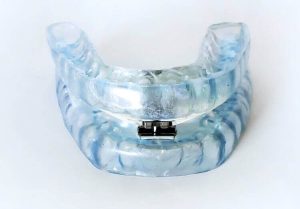 care to patients suffering from sleep apnea, snoring, and TMJ pain.
Our Bellevue sleep specialist developed an FDA-cleared, oral sleep device known as the SilentPartner Treatment. It’s custom-designed to manage snoring and obstructive sleep apnea in a convenient and simple approach compared to other oral appliances. Best of all, SilentPartner Treatment provides patients with a more comfortable alternative to CPAP therapy.
Lifestyle Modifications
Certain lifestyle changes can help alleviate sleep apnea symptoms. These may include maintaining a healthy weight, regular exercise, avoiding alcohol and sedatives, and sleeping on your side rather than your back.
Mouth and Throat Exercises
Mouth and throat exercises can be a useful complement to other treatments for mild cases of obstructive sleep apnea (OSA). These exercises aim to strengthen the muscles in the mouth and throat, potentially reducing the severity of sleep apnea symptoms. However, these exercises may not be a standalone solution for moderate to severe OSA.
Surgical Interventions
In some cases, surgical options may be considered to address anatomical issues contributing to sleep apnea. These include uvulopalatopharyngoplasty (UPPP), genioglossus advancement, or mandibular advancement surgery.
